How Grade Calculators Help Students Track Academic Progress
A grade calculator helps students instantly measure academic performance by calculating percentages, weighted scores, semester averages, and final results with accuracy. These tools reduce manual errors, improve planning, and help students understand exactly what scores they need to reach their target GPA or final grade. Students can use calculators for assignments, quizzes, exams, weighted grading systems, semester GPAs, and cumulative academic tracking.
Academic performance today is closely tied to planning, consistency, and data-driven decisions. Students are no longer waiting until the end of the semester to understand how they performed. Instead, they are using digital academic tools to track grades in real time and identify improvement areas before final exams arrive.
Whether you’re trying to calculate test grades, monitor semester performance, or estimate your final GPA, using the right academic calculator can make the process easier and far more accurate.
Why Students Use Online Academic Calculators
Modern grading systems are more complex than ever. Most schools and universities use a combination of:
- Assignments
- Quizzes
- Midterms
- Attendance
- Practical work
- Final exams
- Weighted grading systems
Manually calculating all these components can quickly become confusing. This is why many students rely on a reliable grade calculator to simplify academic tracking.
Instead of guessing performance, students can instantly calculate:
- Current course standing
- Required scores on upcoming exams
- Weighted averages
- Semester GPA
- Cumulative GPA
This helps students stay proactive rather than reactive throughout the academic year.
How Academic Performance Tracking Works
Academic tracking involves continuously monitoring grades across subjects and semesters. Instead of focusing only on final results, students can analyze performance patterns and adjust study strategies early.
For example:
- A student struggling in math may discover that low quiz scores are reducing the overall average.
- Another student may realize that high-credit courses have a larger effect on GPA than electives.
Using academic calculators makes these patterns visible immediately.
Students who regularly monitor their grades often:
- Set better academic goals
- Improve time management
- Reduce exam stress
- Make smarter study decisions
Understanding Percentage-Based Grading
Percentage grading remains one of the most common academic systems worldwide.
The standard formula is:
Percentage = (Obtained Marks ÷ Total Marks) × 100
While the formula itself is simple, repeated calculations across multiple subjects can take time. A digital calculator removes the need for repetitive manual work while maintaining accuracy.
Students often use tools to:
- Calculate test grades
- Estimate final percentages
- Predict semester outcomes
- Monitor assignment averages
This is especially useful during examination periods when students need quick and accurate results.
Managing Weighted Grading Systems
Many colleges and universities now use weighted grading structures. In this system, different assignments contribute different percentages toward the final grade.
Example:
- Assignments = 20%
- Midterm = 30%
- Final exam = 50%
Because each component carries a different weight, manually calculating results becomes harder.
A properly designed weighted grade calculator automatically applies weighted formulas and generates accurate results instantly.
Students using weighted systems can benefit from understanding:
- Which assessments matter most
- How much each test affects the final score
- What minimum score is required to achieve target grades
For a detailed comparison of academic grading systems, students can also review this guide on weighted and unweighted grading scales:
👉 Weighted vs Unweighted CGPA Guide
Why Semester GPA Tracking Matters
Tracking semester performance is one of the smartest habits students can develop.
A semester GPA reflects short-term academic performance and helps students:
- Identify weak subjects early
- Monitor progress continuously
- Improve before cumulative GPA is affected
Students can calculate semester results using a dedicated tool here:
Instead of waiting until graduation to evaluate academic standing, semester-level tracking allows students to make improvements immediately.
The Importance of Final Grade Planning
One of the biggest advantages of academic calculators is prediction.
Students frequently ask:
- “What score do I need on the final exam?”
- “Can I still get an A?”
- “How much will this assignment affect my grade?”
A final grade calculator answers these questions instantly by calculating required future scores based on current performance.
This allows students to:
- Set realistic goals
- Focus study time effectively
- Reduce uncertainty before exams
Students looking to estimate exam outcomes can use:
How GPA Calculators Support Long-Term Academic Success
GPA tracking becomes increasingly important in:
- High school admissions
- College applications
- Scholarships
- Graduate school applications
- Internship eligibility
- Job placements
Even small GPA improvements can significantly affect opportunities.
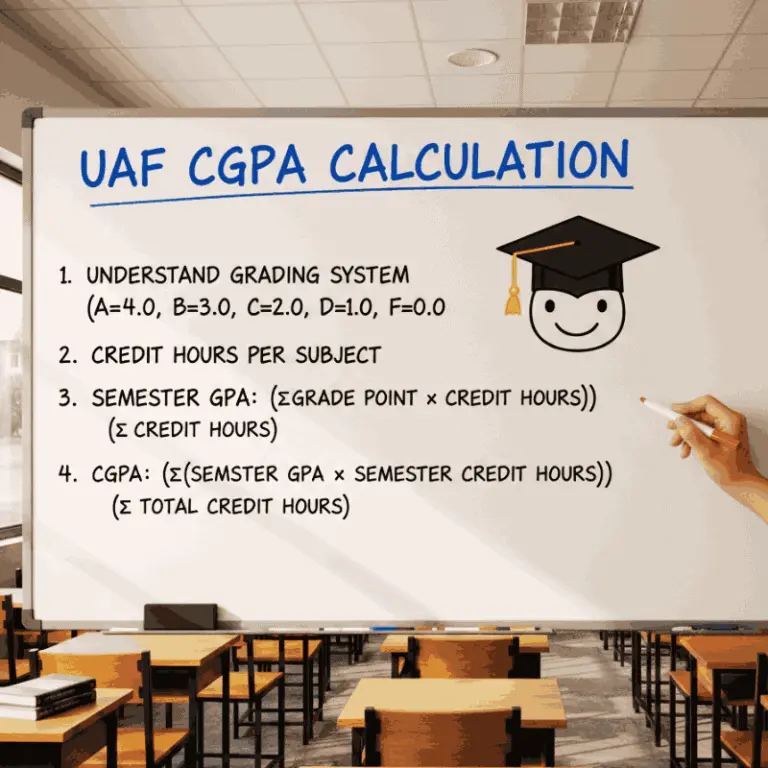
Using a cumulative tracking tool allows students to understand how current performance affects long-term academic standing.
Students can monitor overall progress here:
Academic Planning for Middle School Students
Many parents assume GPA tracking only matters in college, but academic habits often begin much earlier.
Middle school students benefit from grade tracking because it:
- Encourages accountability
- Builds organizational skills
- Improves study discipline
- Helps students prepare for advanced coursework
Younger students can calculate GPA using:
👉 Middle School GPA Calculator
Building academic awareness early creates stronger long-term learning habits.
High School GPA Tracking and College Preparation
High school GPA is one of the most important academic indicators for college admissions.
Admissions officers often evaluate:
- Overall GPA
- Weighted coursework
- Academic consistency
- Improvement trends
Students who monitor GPA throughout high school are better prepared to:
- Meet admission requirements
- Qualify for scholarships
- Stay eligible for extracurricular programs
Students can estimate academic standing using:
Simplifying GPA Calculation Without Credits
Not all institutions use credit-based grading systems. Some schools calculate GPA using simple subject averages without assigning credit hours.
In such cases, students often struggle with traditional GPA formulas.
A dedicated calculator designed for non-credit systems solves this issue effectively.
Students using simplified grading structures can use:
👉 CGPA Calculator Without Credits
Common Mistakes Students Make While Calculating Grades
Even strong students frequently make calculation errors.
Some of the most common mistakes include:
Ignoring Weight Percentages
Students often average scores equally even when assessments carry different weights.
Using Incorrect Grade Scales
Different institutions use different GPA scales:
- 4.0 scale
- 5.0 scale
- 10.0 scale
Forgetting Credit Hours
Higher-credit subjects affect GPA more heavily.
Rounding Errors
Small decimal mistakes can change final GPA outcomes.
Digital calculators eliminate these issues by applying formulas consistently.
Benefits of Digital Academic Calculators
Faster Calculations
Results appear instantly without manual formulas.
Better Accuracy
Automated systems reduce human error.
Improved Academic Planning
Students can predict future outcomes more effectively.
Reduced Stress
Knowing your exact academic standing reduces uncertainty.
Mobile Accessibility
Most calculators work across phones, tablets, and computers.
What Research Says About Academic Monitoring
Educational research consistently shows that students who actively monitor academic performance achieve better outcomes.
According to resources from:
students who regularly track grades and progress are more likely to:
- Improve retention
- Develop stronger study habits
- Maintain academic consistency
- Achieve higher GPA performance
This is because performance tracking encourages active learning and self-assessment.
How Students Can Improve Academic Performance
Using calculators alone will not improve grades, but they help students make smarter decisions.
Focus on High-Impact Assessments
Exams and major projects often carry the most weight.
Review Weak Subjects Early
Addressing academic gaps earlier prevents GPA drops later.
Monitor Progress Weekly
Frequent tracking helps students stay aware of changes.
Set Score Targets
Students perform better when they know exact grade goals.
Practice Time Management
Consistent study schedules improve long-term results.
Future of Academic Performance Tracking
Educational technology continues to evolve rapidly.
Modern academic tools are now integrating:
- AI-driven predictions
- Personalized learning analytics
- Automated GPA forecasting
- Cross-semester academic tracking
These innovations will make academic planning even more accurate and personalized in the coming years.
Final Thoughts
Academic success depends heavily on awareness, planning, and consistency. Students who regularly track grades gain a clearer understanding of their strengths, weaknesses, and long-term goals.
Whether calculating weighted scores, monitoring semester averages, or estimating final exam requirements, digital academic tools simplify the entire process while improving accuracy.
By combining traditional academic understanding with reliable online calculators, students can make better educational decisions and stay fully informed throughout their academic journey.